October 19, 2026
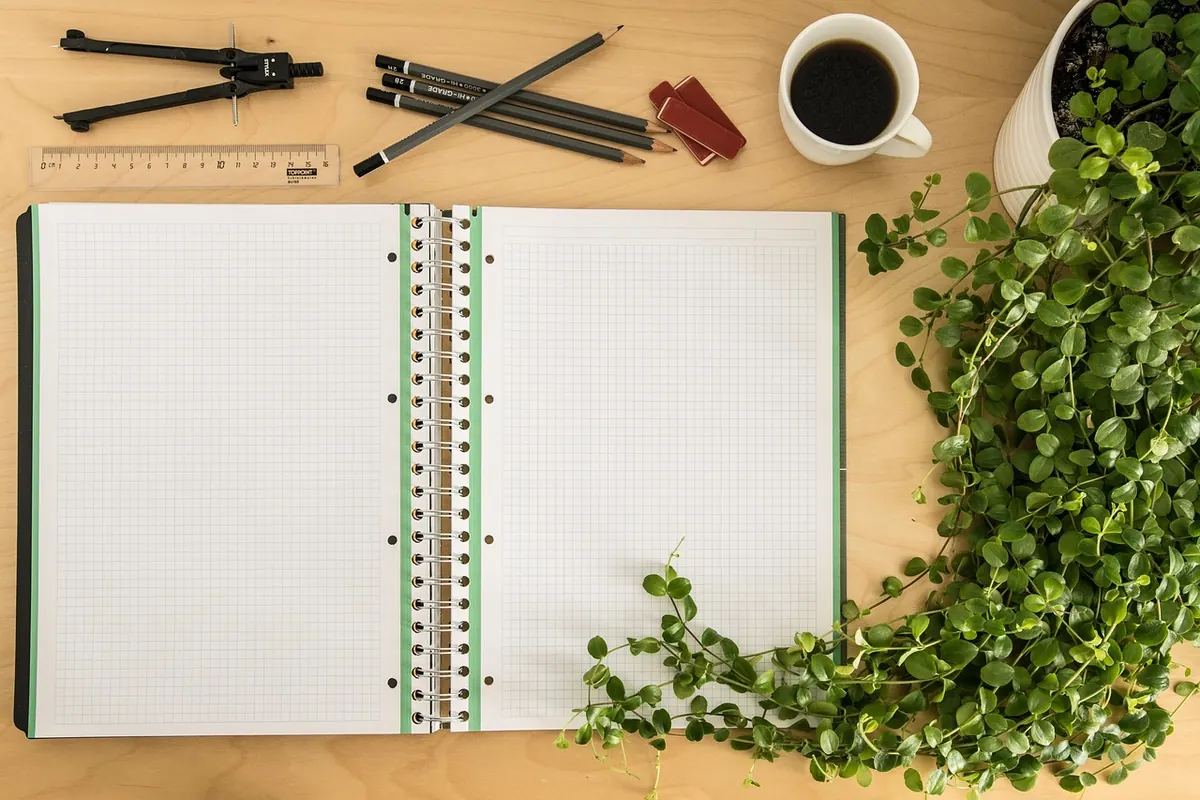
Sunday evening has a texture of its own. The weekend is thinning out, the light goes early for half the year, and the week ahead starts sending up signals — an early meeting, a deadline, a conversation you've been putting off. Most of us meet that feeling by either ignoring it until Monday morning or by turning Sunday night into a second working day, drafting lists until the calm we wanted is gone. There is a middle way, and it takes about twenty minutes.
A weekly reflection ritual is not a productivity system. It has no dashboard and nothing to optimise. It is simply a short, repeatable conversation with yourself: what happened, what's coming, and what kind of week do I want this to be. Done at the same time each week, it stops the week from arriving at you sideways.
Choose a Slot and Defend It
Pick a specific window rather than a vague intention. Seven-thirty to eight, after the dishes and before whatever you watch on Sunday nights, is a good default. So is late afternoon, before the weekend mood tips into Monday anticipation. If Sunday genuinely doesn't work — shift work, small children, a standing family dinner — Monday early morning before anyone else is up will do fine. What matters is that it is weekly and it is fixed.
Two conditions make the difference between a ritual and a wish. First, the same place: a chair, a corner of the kitchen table, a bench by the window. Second, no phone within reach. Not face-down on the table — in another room. The point of the exercise is to hear your own thinking, and a phone in sight keeps a portion of your attention elsewhere.
Twenty to thirty minutes is plenty. If you find yourself planning an hour-long "review session" with sections and colour coding, you are building something you will abandon by the third week.
Look Back Before You Look Forward
Spend the first ten minutes on the week that has just ended. Open a notebook, date the page, and answer a few plain questions in sentences rather than bullet fragments. Sentences slow you down, and slowing down is most of the value.
- What actually happened? Not how it felt — what took place. Meetings, conversations, the thing you finished, the thing you cancelled, the evening that went better than expected.
- What took more out of me than I anticipated? Usually one or two items. Naming them helps you plan around them next time.
- What would I happily repeat? An early walk, a lunch with someone you like, a quiet hour on Thursday. These are the parts worth protecting.
- What didn't get done, and does it still matter? Half of what slips off a list was never important. Let it go on paper so it stops circling.
One caution: this part can curdle into self-assessment. If you notice the page filling with verdicts — I should have, I wasted — stop and rewrite in plain description. "I spent Tuesday evening on the sofa and didn't call my brother" is a fact you can act on. "I was useless this week" is a mood wearing a fact's clothing.
Empty the Week Ahead onto Paper
Turn the page. For the next ten minutes, write down everything you already know about the coming week without organising it: appointments, deadlines, school forms, calls to make, the friend who is expecting an answer, the dentist, the thing you promised on Friday and forgot about. Get it out of your head and onto the page in whatever order it arrives.
Then go back through the list and mark what is fixed — the things that will happen at a particular hour whether or not you prepare. A train, a meeting, a handover. What remains is genuinely yours to arrange. That distinction does more for a sense of control than any elaborate schedule, because most weeks are won or lost in the gaps between fixed points rather than in the fixed points themselves.
A short version for busy weeks
When the week is already crowded, do a ten-minute version: three lines on what happened, three lines on what's coming, one line on how you want to move through it. Shorter is far better than skipped.
Set a Direction, Not a Timetable
Now choose the tone of the week. This is not about writing a list of twelve goals. Pick two or three priorities, and be honest about which one you would be genuinely satisfied to have finished by Friday. If everything is a priority, the page is not doing its job.
A useful exercise: finish the sentence This week I want to feel… and then This week I want to have… The first answer might be less scattered; the second, the draft sent. From those two, a shape for the week appears, and it usually suggests what to say no to. Protecting Wednesday evening so you can cook properly is a real decision, not a soft one.
Add one thing that exists for its own sake — a book, a film, a long phone call, a walk somewhere new. Rituals that consist only of obligations tend not to survive.
Do One Small Practical Thing
Close the notebook and spend five minutes removing friction from Monday morning. Pack the bag. Put the shoes by the door. Write the first line of the email you've been avoiding. Put the form by your keys. Defrost something for dinner. Buy the ticket you keep forgetting to buy.
It should be one action, not a reorganisation of your life. The purpose is to leave the ritual with something completed, so that the evening ends in a small sense of readiness rather than a longer list. If Sunday evening has left you more anxious than you started, the ritual has drifted into planning and needs to be pulled back.
When You Skip It, Which You Will
Some weeks you'll be travelling, ill, or too tired to hold a pen. Skip without ceremony and return the following Sunday to the same chair at the same hour. The ritual isn't a test of discipline; it is a habit of attention, and habits survive missed weeks far better than they survive being turned into obligations.
Do watch for one thing, though. If three weeks running you write some version of the same complaint — the same meeting, the same person, the same impossible Thursday — that repetition is information. It usually means something needs changing in how the week is structured, not in how well you reflect on it. Where the issue touches health, money or a legal matter, the reflection is a place to notice it, not to solve it; speak to a qualified professional about those.
A Quiet Twenty Minutes to Start
Tonight, if you want to begin, keep it small. Find a seat where you won't be interrupted, put your phone in another room, and take a notebook and a pen. Set a timer for ten minutes and write about the week just gone. Set it again and write about the one coming. Then choose two priorities, pick one small thing to prepare, and write down the first action you'll take tomorrow morning.
Close the notebook. That's the whole ritual. Do it next Sunday and it will start to feel less like an exercise and more like a marker in the week — the point at which one week is set down and the next is picked up deliberately.
Photo: LUM3N / Pixabay